
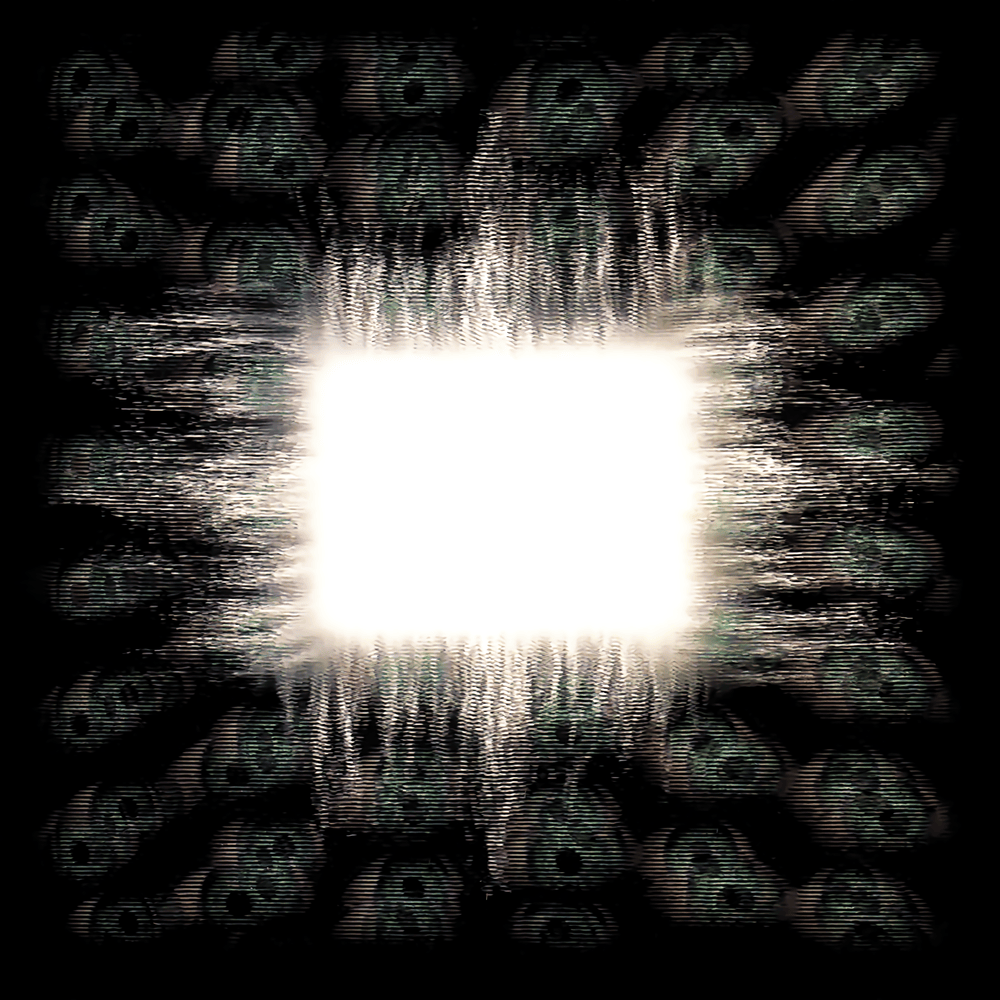
When the album title is a portmanteau between the Jungian term for the feminine part of the male psyche and an anal cleanse, and the album opener further flirts with butt stuff, using fisting as a metaphor for anhedonia, the psychological disorder of being unable to derive satisfaction from anything, you know shit is about to get real, almost in the most literal sense. Yeah, I’m talking about one of the most seminal metal albums from the 1990s – “Ænima,” released by TOOL on September 28th, 1996, via Zoo Entertainment. Of course, I was still blissfully unaware of the band at the time of its release, but I’m sure that the alternative-metal scene was hit over the head with a hammer when their delicate ears were exposed to this album. The band’s earlier albums had been firmly rooted in riff-driven alternative metal, while cautiously reaching for some otherworldly, psychedelic planes. Maybe those earlier endeavors already hinted at the possibility of the band plunging headlong into the interdimensional realm on their future releases; if they did, they were not too obvious about it, though. I mean, in retrospect, there’s nothing to tip you off that TOOL might be resorting not only to deep-frying their riffs in quantum prog, but also to taking the listener on a crash course on esoteric metaphysics, chromosome upgrades, Jungian psychology, and hashish kitchen. I found out about this album a few years later, and even though I had constructed my musical psyche on a heady diet of all sorts of obscure prog and whatnot over the years, “mindfuck” would be a grave understatement of my first impression of this whole thing. I mean, what the actual fuck, dudes?!
Okay, first up, the lyrics of the lead single from the album, “Stinkfist,” have been analyzed a million times on various music forums over the years, so I’m not going to dissect them too deeply here, just finger-deep, if you don’t mind; at face value, the song is about fisting, but you could also take it as a metaphor about people that have to go to extremes to feel anything at all – a diagnosis of the 20th century, if you will. When the trippy music video first aired on TV, at the time, the lyrics were seen as too offensive, of course; the parts that referred even vaguely to anything kinky were censored, but in the US, no one seemed to mind that Maynard was saying something even more offensive in Portuguese during the interlude section. I guess it was on this album that the band really started pulling off these silly stunts, like writing more and more explicit lyrics with pretty graphic metaphors, on the one hand, and using equally explicit drug references, on the other hand. In this case, the song’s graphic lyrics have proved to be the be-all and end-all for a lot of people; just as they were back in the day, especially when the so-called “political correctness” ruled with a heavy fist (sic!). It’s just that the song’s ingenious mixture of trip-hop and KING CRIMSON is almost too easy to overlook in all this ruckus about the lyrics. If you type the song’s title in the Google search bar, you get a zillion hits for pages that analyze the lyrics, but not too many hits for the musical side of things. Compared to the grim and dark sound of “Undertow” (1993), this album threw a good deal more mature (at least musically) curveball at you right from the get-go.
The band had certainly flirted with prog elements before, but now the progressive side was brought to the forefront with a blast. This album was the first TOOL endeavor to feature Justin Chancellor on bass; he actually joined the band in the middle of the album sessions, which no doubt factored quite a lot into the band’s new, proggier sound. Legend has it that one of the first things Chancellor and guitarist Adam Jones wrote together was the song, “Forty Six & 2.” Not a bad start, I’d say! The bassline at the beginning practically defines the song. Once again, the Internet broke at some point when the fans realized the thing is actually a treatise on Jungian shadow work disguised as a metal song. As far as I could make any sense of the lyrics, however, they do not necessarily resonate with the air of a self-help type of endeavor at all, but rather like an occult spell. The mystic weirdness of the lyrics work wonders in tandem with the song’s progressive quantum riffs, and especially with Danny Carey‘s otherworldly drumming. I mean, if the song speaks about transcending our human limits, it makes total sense to transcend those limits musically, as well.
Squeezed between these two single cuts, we have a song entitled “Eulogy,” first. It remains rather cryptic, but underneath all of its lyrical allusions to martyrdom and crucifixion, you get the feeling that Maynard must have really hated the person he’s singing his eulogy to. Of course, this has led people to throw guesses online about the identity of this mysterious person. One of the best theories that I’ve seen, however, is that Maynard wrote the song about himself, his old self. In his own words, the song was about the tendencies of people wanting to stand on a soapbox in order to sacrifice themselves. So, lyrically, it can basically be about whatever you want it to be. Musically, the song harkens back to the sound of “Undertow,” but then again, legend has it that this song was among the first demos the band sent to Chancellor.
The prog plot thickens a bit on the following track, “H,” a song that unfolds like Maynard‘s self-reflection after becoming a parent, about getting over the demons of his childhood traumas in order not to pass them on to his offspring. The riffs swap nicely between the guitar and the bass, and overall, the atmospheric and proggy build-up leads nicely into the quantum-prog riffer, “Forty Six & 2,” that comes up next. Oh, yeah, there’s this silly interlude track in between, entitled “Useful Idiot,” but it’s just 39 seconds of noise. On this album, the band kicked off their ongoing habit of putting these silly tracks in between real songs. The title refers to the famous, derogatory political term for a naive and credulous person who is easily manipulated to advance a cause. The term was coined in the Soviet Union during the Cold War. It is often misattributed to Vladimir Lenin, but there is no historical evidence to support this. So, why did TOOL name this silly segue track with such a title? Who the fuck knows? Maybe the band wanted to make a practical joke about the spiritual status quo of humanity at large – or their fanbase? I’m not sure whether Maynard had yet developed the complicated relationship he seems to have with his fans today. In this day and age, TOOL fans sure can be obsessive and annoying at times, but this album came out 30 years ago, so…
And speaking of silly tracks, “Message to Harry Manback” is another prank. A recorded phone message that was allegedly left on former GREEN JELLO member Gary Helsinger‘s answering machine. This segue track has very little replay value, unless you want to learn a few new insults in Italian – such as “Figlio di puttana, sai che tu sei un pezzo di merda?,” or, “A sucare cazzi su un aereo!” The reason why it was included on the album? Well, again, who the fuck knows?! The pseudonym, Harry Manback, is a reference to a stand-up routine by late Bill Hicks. Maybe this prank track was just TOOL‘s way of paying homage? I’m not sure where my physical copy of the album actually exists anymore (I moved recently, and most of my CDs are still in boxes all over), but if I recall correctly, there was a picture of Hicks in the booklet with the caption, “Another dead hero.” This prank track was not even the only reference to Hicks: the album closer, “Third Eye,” features further excerpts from his comedy routines. In an interview from around this time, Maynard once explained how spiritual growth was a common thread in Hicks’ comedy, although often buried under all sorts of porno jokes. So, basically, TOOL was pulling off a comedy routine of epic proportions on “Ænima.” Why not? There are explicit porno jokes and stabs at the backwoods mentality of our times, but on a closer look, the band advocates for choosing compassion over fear in nothing short of an ingenious fashion.
If you approach the album like a stand-up routine, some of the tracks make more sense – like the hash-cake-recipe track, “Die Eier Von Satan,” or the song with yet another thought-provoking title, “Hooker With A Penis.” And the absolute best aspect of the album? All this explicit and graphic lyricism and pranksterism is delivered with an elegant banquet of progressive, alt-metal riffages of the highest caliber. “Ænima” was the album by which TOOL offered their pinky to the Devil of quantum prog – and “Lateralus” became the album where the Devil would take their whole hand a few years later. The joke tracks aside, the selection comes jam-packed with proggy goodness – “Stinkfist,” “Forty Six & 2,” and “Ænima,” to single out the highlights. The tracks that echo the band’s earlier alt-metal sound aren’t bad either, and even some of those prank tracks are pretty funny. I wouldn’t call this album their best, like some of the band’s fans still do, but it certainly is good bang for the buck, as they say. It also documents the evolution of the band’s signature sound from the early alt-metal towards ever more progressive realms. “Ænima” debuted at No. 2, just below NIRVANA, on the Billboard 200 chart, so I reckon the band did a lot of things right. Like someone commented on the YouTube video above, “Thanks again, 1990s, for a hell of a trip.”
Written by Jani Lehtinen
Tracklist
- Stinkfist
- Eulogy
- H.
- Useful Idiot
- Forty Six & 2
- Message to Harry Manback
- Hooker With A Penis
- Intermission
- Jimmy
- Die Eier von Satan
- Pushit
- Cesaro Summability
- Ænema
- (-) Ions
- Third Eye
Lineup
Maynard James Keenan – vocals
Adam Jones – guitars
Justin Chancellor – bass
Danny Carey – drums, percussion, samples
Label
Zoo Entertainment