
Album trilogies are not very common, I reckon, not even in the prog realm in this day and age. If I were to give a quick example, GONG‘s famous “Radio Gnome” trilogy is the only one that comes to mind without the help of the Internet, and it’s been quite a while since that psychedelic space-rock saga was the talk of this town. Enter the Norwegian prog bards, GREEN CARNATION, whose Gothic-doom-gone-prog approach spans epochs in terms of style, sound, and substance – and now the plot thickens remarkably in this respect; their latest endeavor brings that noble three-album concept back to the limelight under the heading, “A Dark Poem,” inspired by Arthur Rimbaud’s famous poem portraying Shakespeare’s Ophelia as a white phantom floating down a river. It provides a haunting visual frame similar to Millais’s Pre-Raphaelite painting depicting a drowned woman among flowers. So, these prog auteurs are putting out an album trilogy about drowning, due to a devastating love, as a mystical ascent, you say?
Well, I would rather leave that up to your own interpretation, but one thing is guaranteed: there is a reason why this bunch has become renowned for their grand and gloomy epics, such as 2003’s “Light of Day, Day of Darkness.” (Hint: it was comprised of a single track, clocking in around the one-hour mark!) In September last year, the first chapter of this three-part saga came out on Season of Mist, under the subheading, “A Dark Poem, part 1: The Shores of Melancholia,” setting sail on a sprawling musical journey into the dark night of the soul. Befittingly, Rimbaud’s poem was structured into three parts as well, with the first section describing the drowned woman from the outside, as if to provide an overview. The following chapters – “A Dark Poem, part 2: Sanguis,” released in April 2026, and “A Dark Poem, part 3: The Messiah Complex,” due out on September 4 th, 2026 – plunge even deeper into dark waters. As per the standard three-act structure, the first part sets the tone for the whole endeavor, the second installment puts a personal spin on it, and the last part is all about resolution. Each album stands on its own, but the last chapter ties the whole story together so masterfully that it’s best to digest the trilogy as a whole. In this TikTok-infested era, that’s quite a lot to ask, but it’s highly rewarding when you put that effort into it.
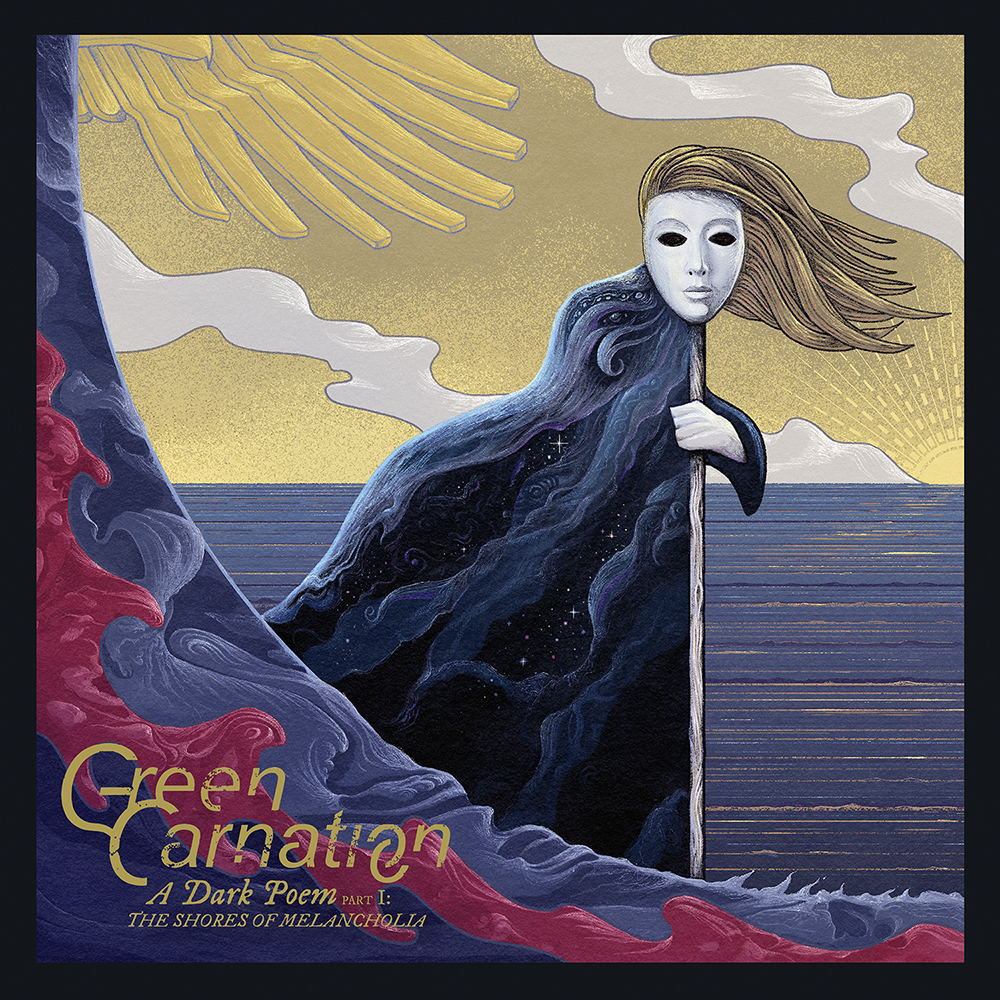
The opening track, “As Silence Took You,” on the first album of this trilogy paints a picture of a familial loss with a sonic brush that’s dipped deep in PINK FLOYD. Of course, with the band’s early history being rooted firmly in the death and doom metal of the 1990s, the sonic canvas is never bulldozed over exclusively with the sepia-filtered atmospheric prog of yesteryear. Given the grim concept of the trilogy, it’s no surprise that the songs are predominantly moody and heavy vignettes in remarkably unhurried tempos right from the beginning. Hence, the relentless riff maelstrom in “The Slave That You Are” might catch the listener by one hell of a surprise, what with the blast beats and black-metal snarls laced with malice, provided by guest vocalist Grutle Kjellson of ENSLAVED. The chugging riffs of “In Your Paradise” also stand out rather nicely in all that atmospheric brooding. The album has already been praised for its pacing, and it truly marvels in crafting a poignant and captivating flow from one track to another. As an opening statement, the album does what it was supposed to do: it certainly piques your interest to hear how the interplay between atmospheric prog and doom is going to push the Gothic-Romantic plot forward. I’m not particularly lyrics-oriented as a listener, but what I could gather from the lyrics, there would appear to be something rather Agatha Christie-meets-Edgar Allan Poe-like going on in the storyline… The title track, “The Shores of Melancholia,” is easily one of the most haunting songs released last year when it comes to mixing the heavy and ethereal.
The second installment, “A Dark Poem, part 2: Sanguis,” plunges into the depths of pitch-black depression, guilt, and sorrow with even more slow-crushing gravitas. The second part of Rimbaud’s poem introduces a narrative voice, questioning the reason for this tragedy while hinting at some likely answers, ranging from the call of nature to a freedom won in death. Picking up from where the first album left off, this second chapter hits you over the head with a blunt force – yes, even though the selection boasts two ballads!
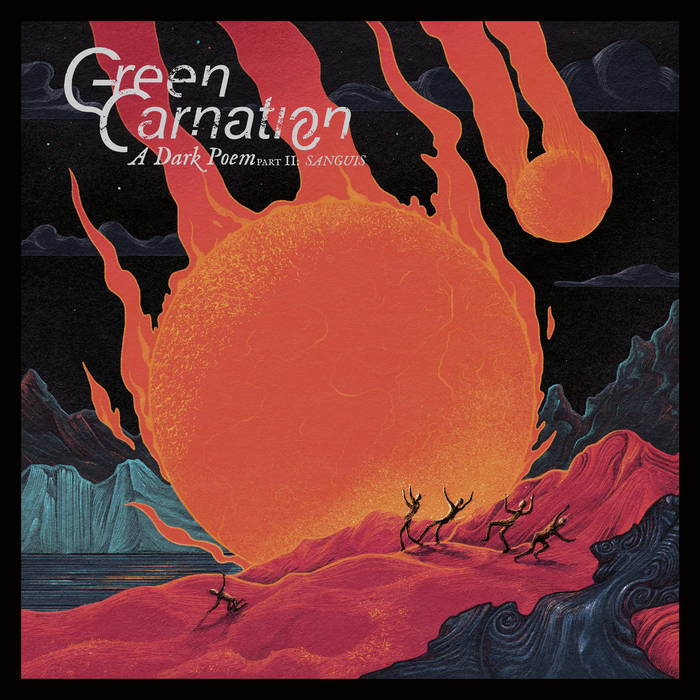
The epic title track opens this sequel, tracing the storyline to a childhood shadowed by abuse, which creates a poignant backdrop for the first ballad, “Loneliness Untold, Loneliness Unfold,” which is accompanied merely by a spacious guitar. Yes, if the pacing on the first album was sublime, the same streak continues on this follow-up. Thus, the next track, “Sweet to the point of Bitter,” picks up the pace brilliantly with beefy, doom-laden riffs and guitar melodies. I’m not sure whether a genre like progressive doom metal actually exists, but if it does, this song, these albums, and this band are the epitome of it. If PINK FLOYD and CANDLEMASS had a lovechild, I reckon it would sound quite similar to GREEN CARNATION in its current form. A good case in point would be “I Am Time,” as its guitar melodies resonate thick with the air of “Epicus Doomicus Metallicus,” while the song could almost fit on “Dark Side of the Moon,” just as well. On a peculiar note, “Sanguis (Blood Ties),” as banging as its riffs are, does not feel like an epic closer, but more like a cliffhanger. It’s almost as if the band wanted to make sure that the listener is aware that the story is far from finished. Like a well-written novel or a movie, this sequel takes the listeners by the hand and guides them through a dark forest of emotions. The storyline continues with a tad more personal perspective, which is probably why this second part of the trilogy feels much stronger in narrative quality. Once again, the title track stands out by its sheer emotional power.
At face value, the story of Ophelia is a no-brainer: a broken heart, madness, and drowning. The third part of Rimbaud’s poem makes everything substantially more elusive, however. Things are not as they seem. Does the last part of this album trilogy, “A Dark Poem, part 3: The Messiah Complex,” reflect this, too? I guess it does.
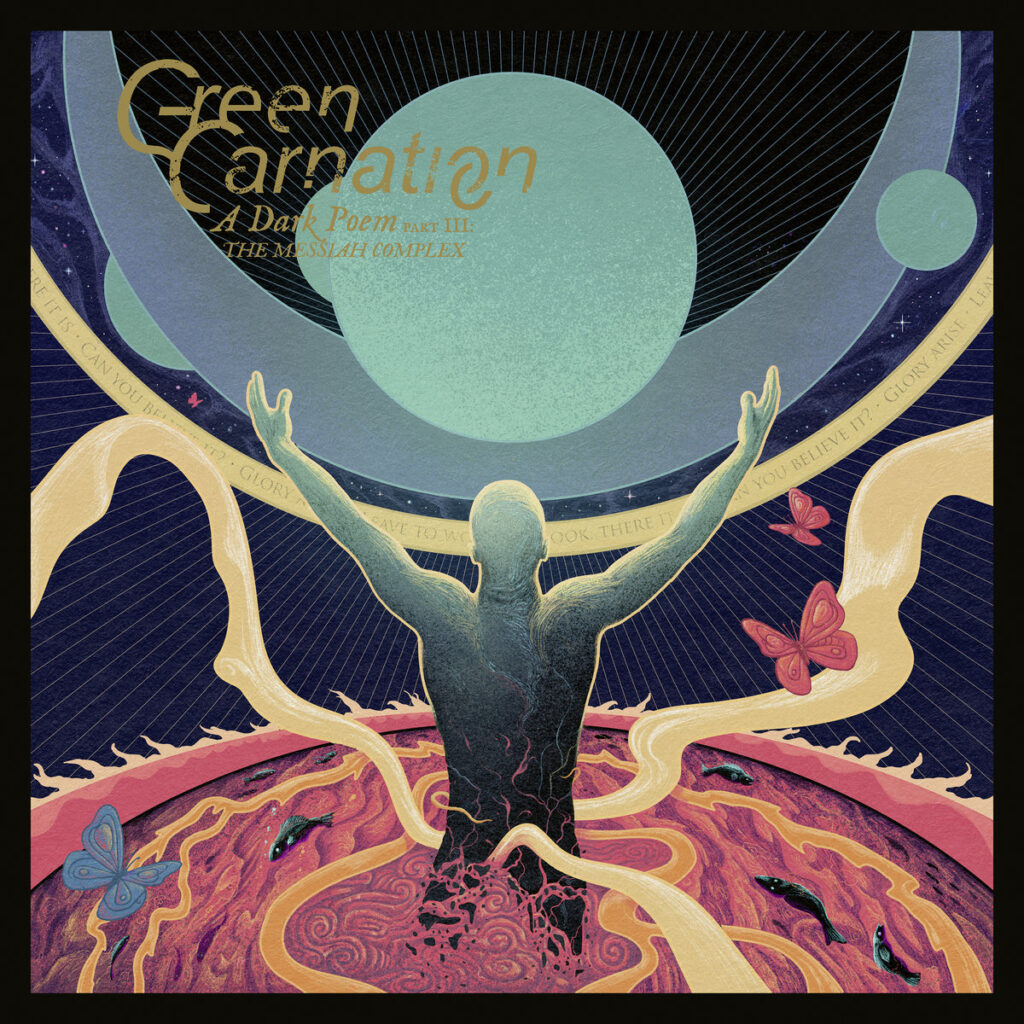
The first two parts of this trilogy seemed to suggest that the story was just another, rather straightforward cautionary tale of falling into the throes of depression because of an unbearable personal loss, or something to that effect. The last part of the trilogy states that we cannot really cope with everything that’s going horribly wrong in our high-tech utopia; so, is it this alienation that is the most likely culprit for our depressive thoughts? If so, the pale figure floating on the river was not Ophelia, after all, but a reflection created by the moonlight. What’s best, the music on this final episode more than lives up to this mind-boggling lyrical twist. After three doom-laden prog epics, the album is brought to a haunting close with a 17-minute orchestral suite. This album makes me think twice about using the word “epic” for anything less, like ever again. As it seems to have become a habit with the previous installments of this trilogy, the title track of this last chapter delivers such a gut punch that it’s probably best to enjoy it in private, either sitting or lying down.
I probably need to listen to this three-part doom-prog marathon a good few times more to really get to the bottom of it all! It’s seventeen tracks, all in all, clocking in at around the 2-hour mark, so it’s not that much, really. It’s not like binge-watching some Netflix series in one sitting, after all! GREEN CARNATION has never been stranger to monstrous undertakings, but on this album trilogy they have leveled up astronomically from their previous endeavors! What a great album trilogy! This goes straight to my AOTY list this year, that’s for sure! These prog auteurs seem to have developed a habit of outdoing themselves time and time again.
Written by Jani Lehtinen
Tracklist Pt. 1: The Shores of Melancholia
- As Silence Took You
- In Your Paradise
- Me, My Enemy
- The Slave That You Are
- The Shores of Melancholia
- Too Close to the Flame
Tracklist Pt. 2: Sanguis
- Sanguis
- Loneliness Untold, Loneliness Unfold
- Sweet to the Point of Bitter
- I Am Time
- Fire in Ice
- Lunar Tale
- Sanguis (Blood Ties)
Tracklist Pt. 3: The Messiah Complex
- Unconditional Artificial Chemistry
- The Messiah Complex
- Broken Souls, Common Enemies
- Dark Poem – Orchestral Suite
Lineup
Kjetil Nordhus – vocals
Stein Roger Sordal – bass, guitars, keyboards, vocals
Bjørn Harstad – lead guitars, effects
Endre Kirkesola – keyboards, synths, organs, effects, backing vocals
Jonathan Alejandro Perez – drums
Guest musicians:
Ingrid Ose – flute on “In Your Paradise,” Me, My Enemy,” and “Lunar Tale”
Grutle Kjellson – harsh vocals on “The Slave That You Are”
Henning Seldal – percussion on “Too Close to the Flame”
Label
Season of Mist
Links
https://greencarnationsom.bandcamp.com/album/a-dark-poem-part-i-the-shores-of-melancholia