

In April, Finnish alternative metal outfit LUNA KILLS released their new album, “DEATHMATCH,” via Sharptone Records. We had the opportunity to chat with vocalist Lotta Ruutiainen about the album. Read complete interview here…
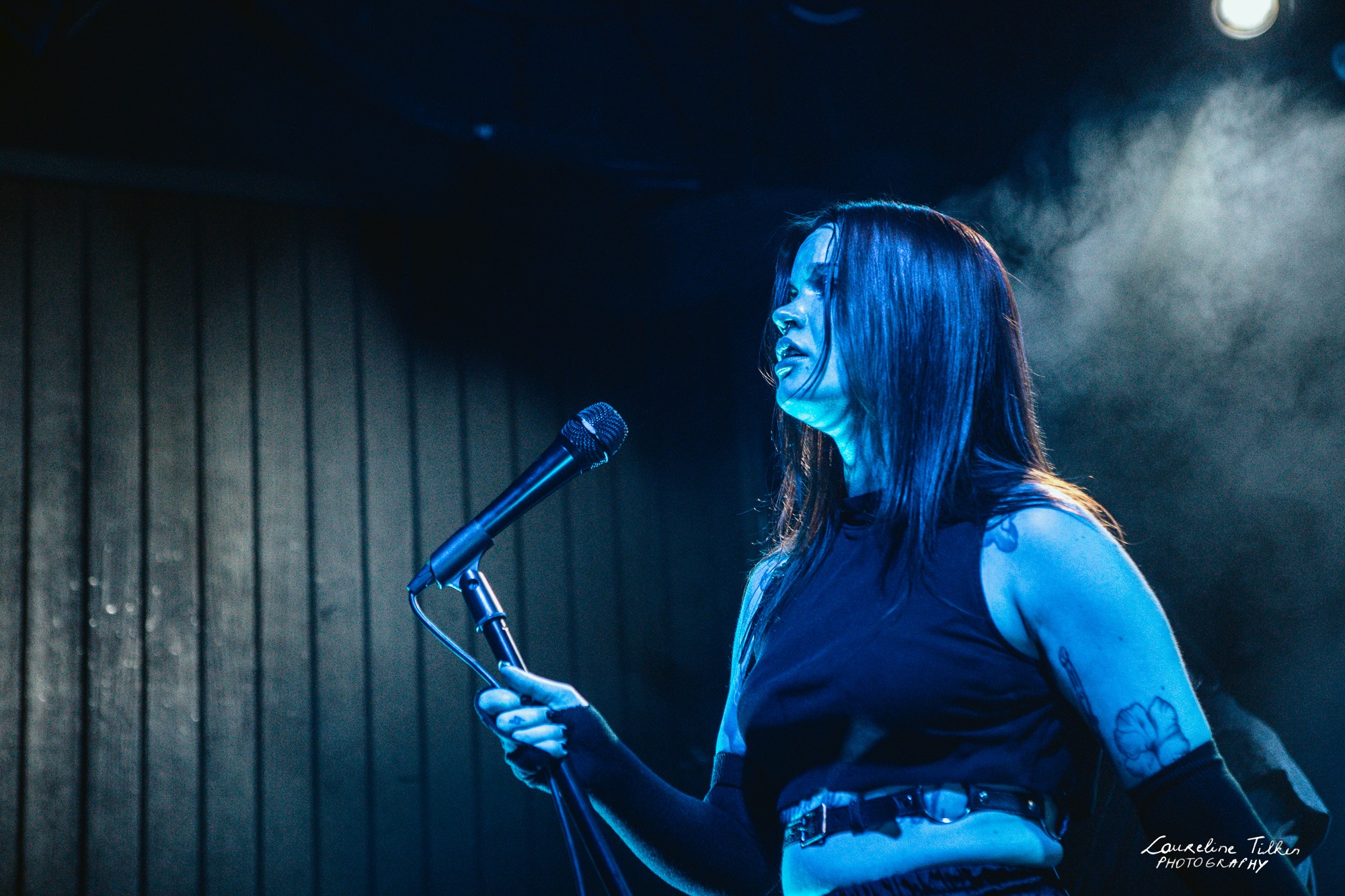
The last time we spoke was during your Dutch mini-tour, I think. How have you been since then?
Busy—really busy, actually. After the mini-tour, we finished the album, filmed a lot of music videos, and worked on all the visuals for the release. Then, of course, we announced the album, so there’s been a lot going on. We’ve also done some touring since then, so yeah—very busy times.
You’ve been playing some of the songs from “DEATHMATCH“ live for quite a while now—I first heard some of them back in December 2023. How much did playing them live change the songs?
Honestly, not that much. Some of the songs were already recorded by the time we started playing them live. For example, “love u” was the first track we recorded for the album. It wasn’t mixed yet, but it was already finished, so it didn’t really change at all.
We chose to play newer songs because we wanted to see how the crowd would react. Even if the reaction had been bad, they were still going on the album anyway—so why not? But yeah, they were pretty much ready when we played them.
Do you remember how audiences reacted the first time you played them?
Really well, actually. It was great to see. The newer songs have a lot more energy compared to some of our earlier material, so in a live setting, people really connected with them. I haven’t heard any negative feedback—maybe someone didn’t like them, but no one has told us that.
You’re also the first Finnish band signed to SharpTone Records. How does that feel—especially since there are probably bands on the label you admire?
Yeah, a lot of them. It was really exciting when we first started talking to them. Around the time we were recording Here for the Drama, DON BROCO released “Amazing Things,” and we were obsessed with that album. We checked which label they were on, and it was SharpTone.
That was a moment for us—we thought, “Okay, this label could really understand what we’re doing.” So in a way, we kind of manifested our record deal. And then actually getting signed—it was surreal.
Like you said, so many of our favorite bands are on that label, so being part of that roster—and being the first Finnish band there—is a huge honor.
And now you’re also signed to X-Ray as your booking agency, right?
Yeah, X-Ray.
That’s another roster full of major artists—you’re in great company both label-wise and agency-wise.
Yeah, it’s surreal. But really nice.
Going back to “DEATHMATCH,“ you’ve been waiting a long time to release these songs. How does it feel to finally put them out?
It feels really good. We’ve been working on this album for quite a while—maybe a year and a half to two years. It felt even longer because we recorded it in multiple sessions, like three or four.
In between, we toured and did a lot of other things, so the whole process stretched out. It’s amazing to finally have it out—and also to see it as a full album. When we started, we didn’t know if it would be an album, an EP, or just singles. So the fact that it became a full album is really special.
Your sound has evolved quite a bit on this album compared to your earlier work. How did you shape that direction—especially the more electronic elements?
The electronic side has always been part of our songwriting. I think we’ve just evolved and matured. We’ve always wanted to explore heavier sounds and some crossover elements too.
There wasn’t really a big discussion about what the overall sound should be—we just knew what we wanted and went for it. And I think we’ll keep evolving even more with future releases.
The album opens with “love u,” which is one of my personal favorites. How did that song come together?
Like I said, it was the first song we made for the album. It came from a mix of me being frustrated and Samuli being really inspired—he had been listening to an anime soundtrack and created the instrumental first.
Around that time, someone made a comment about how we should sound more like another band. That really annoyed me—I hate being told we should be like someone else. So out of that frustration, I basically wrote the chorus and sent it to Samuli. He loved it, and that’s how the song started.
Lyrically, it’s about toxic love—someone who feels they have authority over another person when they really don’t. I was also watching the show Swarm at the time, which is about an obsessive fan, and that influenced the song a bit too.
The lyrics in that song feel very visual and relatable—lines people can easily imagine. That seems to be a theme across the album. Is that intentional?
Not really something I consciously think about. I just write whatever comes to mind. But I guess the way I phrase things ends up being relatable or easy to visualize.
It’s really cool if people can connect with the lyrics and find something meaningful in them.
How do you feel you’ve evolved as a songwriter over the years?
Definitely a lot. When I started, I was basically copying what other people were doing. But over time, it became more about how I see things and how I want to express them.
Growing up changes your perspective, and you learn new ways to phrase things. I don’t think about it too analytically, but I know it’s become more personal and more natural for me.
I also noticed influences from games in your music—like certain sounds or melodies. How important are games and films in your creative process?
Very important. Games and movies have always been a form of escape for us, especially during tough times. So it’s inevitable that those influences make their way into the music.
They make us happy, both consciously and subconsciously, so we naturally incorporate those elements.
You also include soundscapes in your live shows between songs. How did that idea come about?
That’s mostly Samuli—he handles a lot of the electronic elements and has a great creative mind. We also use them practically, like when tuning guitars or taking a quick break.
We don’t like awkward silence, so these transitions help keep the atmosphere going while also setting the mood for the next song.
This is the first time I’ve heard you sing in Finnish, which surprised me. How does singing in your native language feel compared to English?
It feels very different. Finnish has a different tone—more melancholic. I’ve done some features in Finnish before, but it’s harder for me to write lyrics in it.
In this case, it was just one phrase—a Finnish gaming meme. The song is playful, so it fit. It’s not melancholic at all, which made it fun.
Was the song itself inspired by that meme?
Not really. The Finnish part ties into something else—we’ve often been told to switch to Finnish to build a local career. So the song is kind of a tongue-in-cheek response to that.
It’s like, “Here’s your Finnish—are you happy now?” The song is about getting mad, but in a playful way.
Another standout track for me is “Hallucinate,” especially the layered chorus. How did that come together?
I was listening to a lot of DEFTONES at the time. It was one of the last songs we wrote, and we wanted something a bit different—aggressive but still with a pop and alternative feel.
We didn’t limit ourselves—we just wanted to make a great song. The chorus naturally developed that vibe, and I was really into it.
You balance heavier elements with alternative rock influences really well.
That’s always been part of our identity. Even as we explore heavier or nu-metal influences, we want to keep our core sound intact.
Genres are so fluid now anyway. We might be called metal, alternative metal, or alternative rock—but for us, what matters is that the songs feel right.
What do you think about comparisons to bands like Spiritbox?
I think it often comes down to there being a female vocalist who both sings and screams, so people group it together.
I don’t take offense—it’s just how people process music. But it’s important to remember that female-fronted isn’t a genre. Women in heavy music all have their own distinct sounds and styles.
You also design your own merch. What’s your process like?
I focus on the aesthetic and the purpose. Is it tied to a specific song or release? Lately, I’ve been working on “DEATHMATCH“-related designs.
It’s similar to songwriting—if it looks good and feels right, we go with it.
I heard you’re releasing a new music video. Can you tell me anything about it?
It’s kind of like computer viruses meets a John Wick-style setting—minus the guns. The location had that vibe.
The concept is that you download our content and get infected by a virus. It’s funny because one of the most famous computer viruses was the “I Love You” virus, so we played with that idea.
Sounds like something I’d sign up for.
Yeah—go download it!
What’s next for you?
A lot of live shows. We’ll be touring and promoting the album, and probably writing new music as well.
We’ve been writing nonstop for years, so taking a short break felt strange. But yeah—touring, playing shows, and having fun with the audience. That’s the best part.
Any final words for your fans?
I hope everyone enjoys the album. Go listen to it, watch the videos—and hopefully we’ll see you at a show.
Interview by Laureline Tilkin