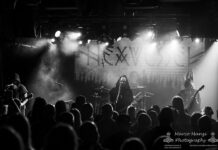


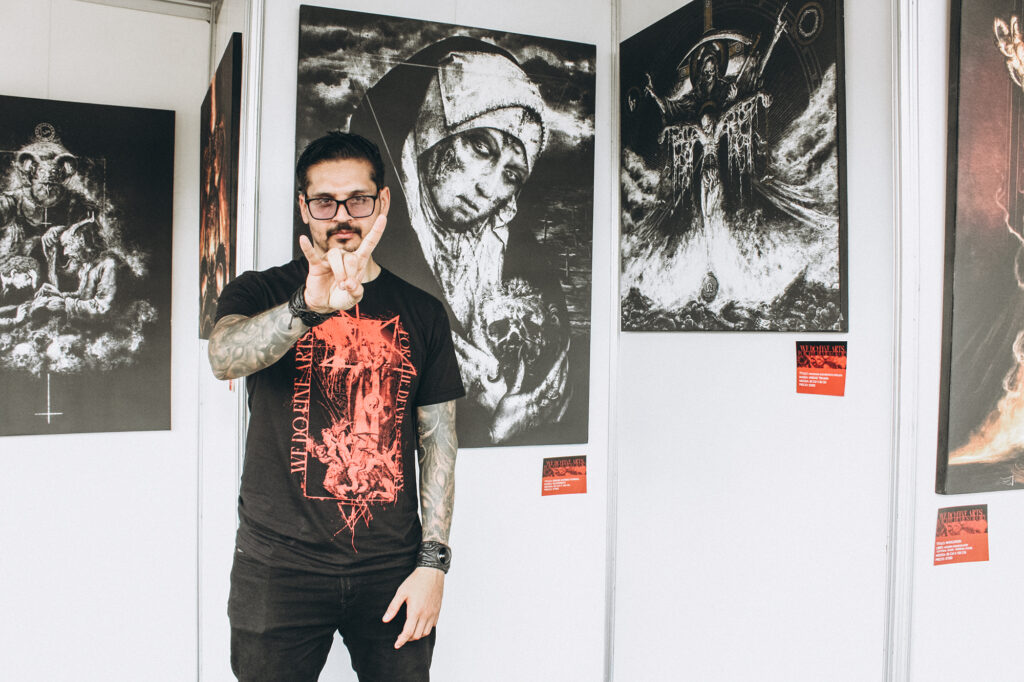
Having attended many festivals in the past, I must assert that well-curated lineups alone no longer suffice to attract my interest. Undoubtedly, a robust roster of bands is a fundamental factor in purchasing festival tickets. Nonetheless, on-site experiences likewise play a crucial role in shaping the enjoyment of festival participants. I attended Candelabrum Metal Festival in Mexico last year and appreciated that the event offered activities beyond the usual live performances. While exploring the festival grounds, I came across the art exhibition by Néstor Ávalos, a visual artist renowned in the dark metal scene.
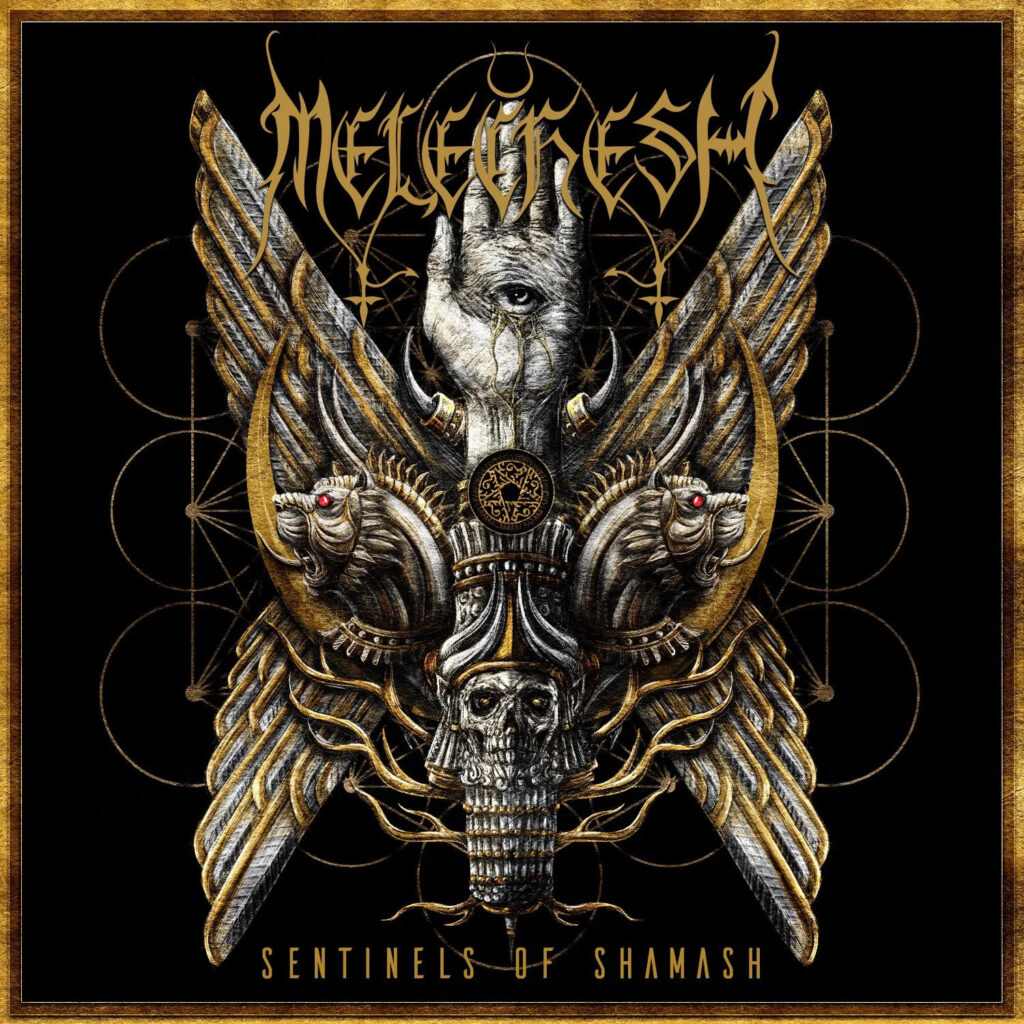
Few illustrators capture the haunting essence of metal music as adeptly as Néstor Ávalos. He explores the darker facets of human nature through artwork that is profound, monstrous, and visually striking. By depicting the devil as a central image, Néstor challenges traditional art norms, revealing the appeal of wickedness beyond moral limits. His artworks include some of the most enigmatic visual identities for extreme bands, such as BLOODBATH, ROTTING CHRIST, MELECHESH, KREATOR, and THE 69 EYES, among others. We had a conversation in late 2025, after he completed two prime achievements: his solo exhibition at Candelabrum Metal Festival, and an artistic participation at Occulture Conference, the largest European event in esotericism. In our discussion, we addressed subjects such as sources of inspiration for dark art, the presence of art exhibitions at music festivals, his preferred commissioned works, and the evolving landscape of art in the era of artificial intelligence.
Hi, Néstor. We appreciate your willingness to dedicate time to this interview. How are you?
Néstor: Hello, thanks for having me. I’m doing well. I’ve been part of several exhibits in Mexico over the last few weeks and recently returned from the Occulture Conference in Berlin, Germany. Unlike heavy metal events, the latter was an international scholarly conference on occultism where I was an exhibitor.
It seems that you’ve been managing several projects simultaneously. Let’s begin with Candelabrum Metal Festival. Tell us more about your experience as a solo exhibitor.
Néstor: Participating as a solo exhibitor at Candelabrum Metal Festival was an outstanding experience. When I presented the concept of an art exhibition to the festival organizers, my inspiration stemmed from similar events held at music festivals worldwide. The inclusion of art exhibitions—particularly those centered on album artwork—has become customary at metal festivals, yet, to my knowledge, such an event had not previously been featured at any music festival in Mexico.
Initially, I approached the organizers with the idea of a solo exhibition, excited yet a bit afraid. Although the organizers expressed great interest, I worried about the public’s response and possible lack of engagement. Yet surprisingly, attendees showed enthusiasm for my work and the chance to interact with me, making for a busy weekend engaging with festival participants. Many visitors expressed surprise and appreciation upon learning that I was responsible for some of their favorite bands’ album artwork, most of which was showcased throughout the exhibition.
Metal music fans are generally curious about diverse forms of artistic expression; likewise, the genre is visually oriented, with artwork playing a significant role in album art, banners, merchandise, and so forth. This context contributed to the exhibition’s positive reception. Ultimately, my intention extended beyond displaying my portfolio. I aimed to create opportunities for other illustrators and bands who bring innovation to both musical and visual artistry.
I’m glad the exhibition met your expectations. Following our chat at that event, could you please introduce yourself to our readers? Who is Néstor Ávalos, and what inspires him?
Néstor: Sure, let me start. My name is Néstor Ávalos, and I am a visual graphic artist specializing in digital artwork for bands in the extreme metal scene. Born and raised in Western Mexico, where I still reside, I have developed a lifelong interest in occultism and the esoteric arts, often referred to as “magic.” My artistic practice centers on storytelling through symbolism—drawing on the deeper, often obscure facets of human knowledge. Many viewers describe my work as both disturbing and compelling, noting that each piece invites them to interpret and uncover layered meanings in its composition.
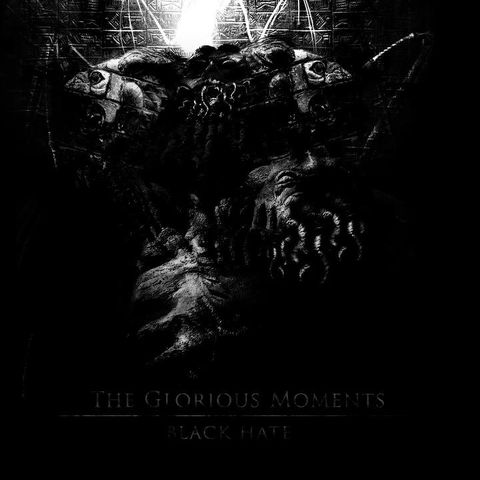
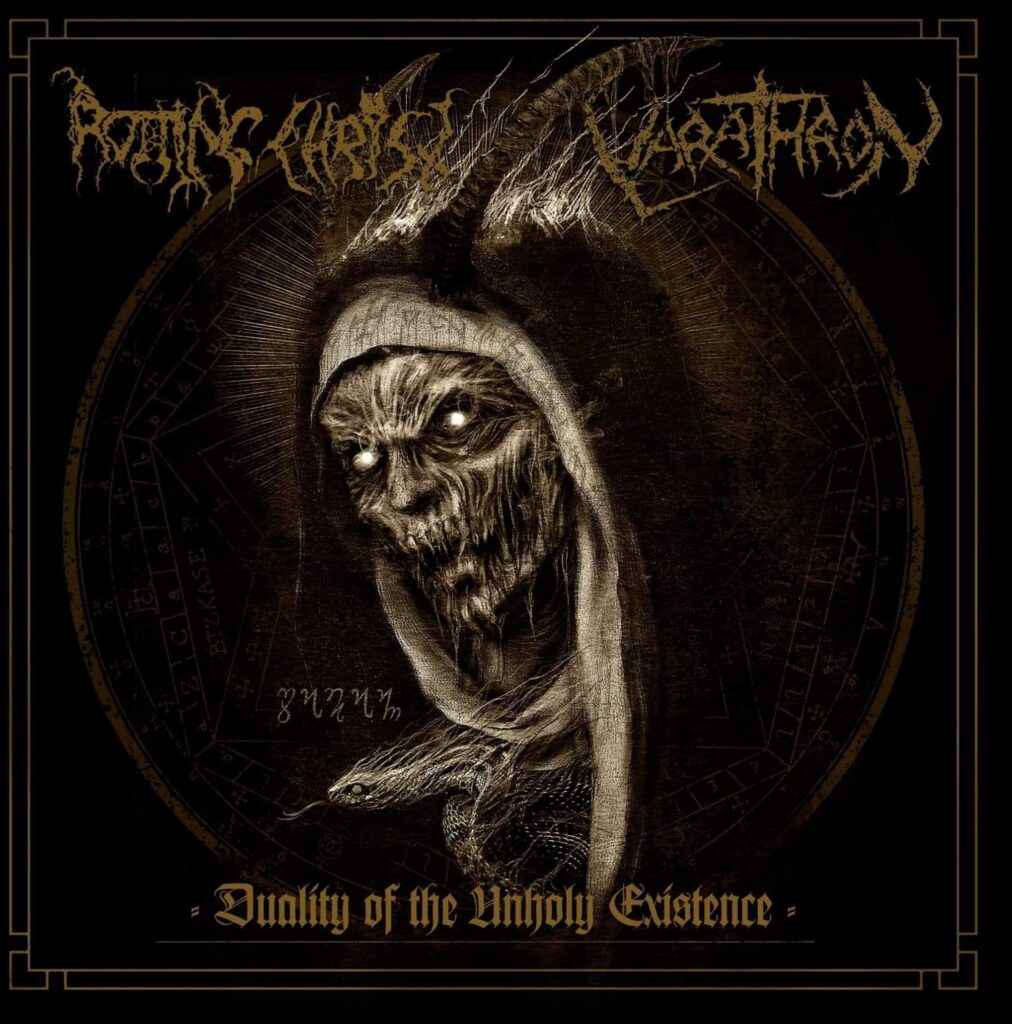
My principal source of inspiration is the figure of the Devil—not approached from a Judeo-Christian standpoint, but rather as a symbol of rebellion and boundary transgression, as represented across various cultures. Professionally, my project, “Nestor Avalos Official Black Arts,” has been active for approximately 2 decades. It began as a personal hobby, during which I would share drawings on my social media platforms. Over time, this led to commission opportunities from metal bands, initially local and eventually international. My first significant professional engagement was with the Mexican black metal band BLACK HATE (now HIEROPHANY) on the album “The Glorious Moments” (2012). Subsequently, I was commissioned by ROTTING CHRIST for their official merchandise of the tour “Creatures from the Black Abyss” (2012), alongside CRADLE OF FILTH, a collaboration that brought global recognition to my work. From there, my career advanced further within the metal music industry.
If you could describe your work in 3 words, which ones would you choose and why?
Néstor: This is a tricky question, but I could refer to two phrases that represent my personal brand: “Live in Chaos – Burn in Freedom.” These words express my belief in finding freedom by transcending social norms. My decision to pursue art rather than conform to a typical “adult life” demonstrates this commitment to creative independence. While my work challenges traditional notions and may not always align with mainstream sensibilities, it resonates with those who feel marginalized or unconventional in society.
I also follow the motto, “We do Fine Arts for the Devil’s Glory,” to express my connection to distinguished artists such as Caravaggio and Goya, whose works inspire me. By associating my creations with classical art, I want to elevate their status and challenge preconceived notions about nontraditional artistic forms. I approach my practice with precision, ensuring that each piece is contextually meaningful and symbolically rich, rather than simply provocative. Symbolism plays an integral role in my work, allowing me to explore themes beyond literal interpretation. The surrealist artist, Vincent Castiglia, illustrates this perfectly as follows: “My artworks are my Sacred Space. A Canvas is like the Altar, and this is how I pray.” — I seek to evoke a sense of reverence in every piece I produce. In doing so, I come into communion with my creativity and the forces behind it.
Have you integrated Mexican culture into your artwork?
Néstor: Interestingly, that’s something new for me. Only in recent years have I begun to incorporate my Mexican heritage into art commissions, due to the strong influence of Western perspectives in the arts and Occultism. I have tried to change that in my latest collaborations.
Within this framework, I support domestic and international bands aiming to incorporate Mesoamerican culture into their merchandise during tours in Mexico, since many encounter challenges in authentically portraying it. My job is to consult with these bands so I can grasp their creative goals, conduct in-depth research on related cultural subjects, and produce artwork that truly captures what they envision.
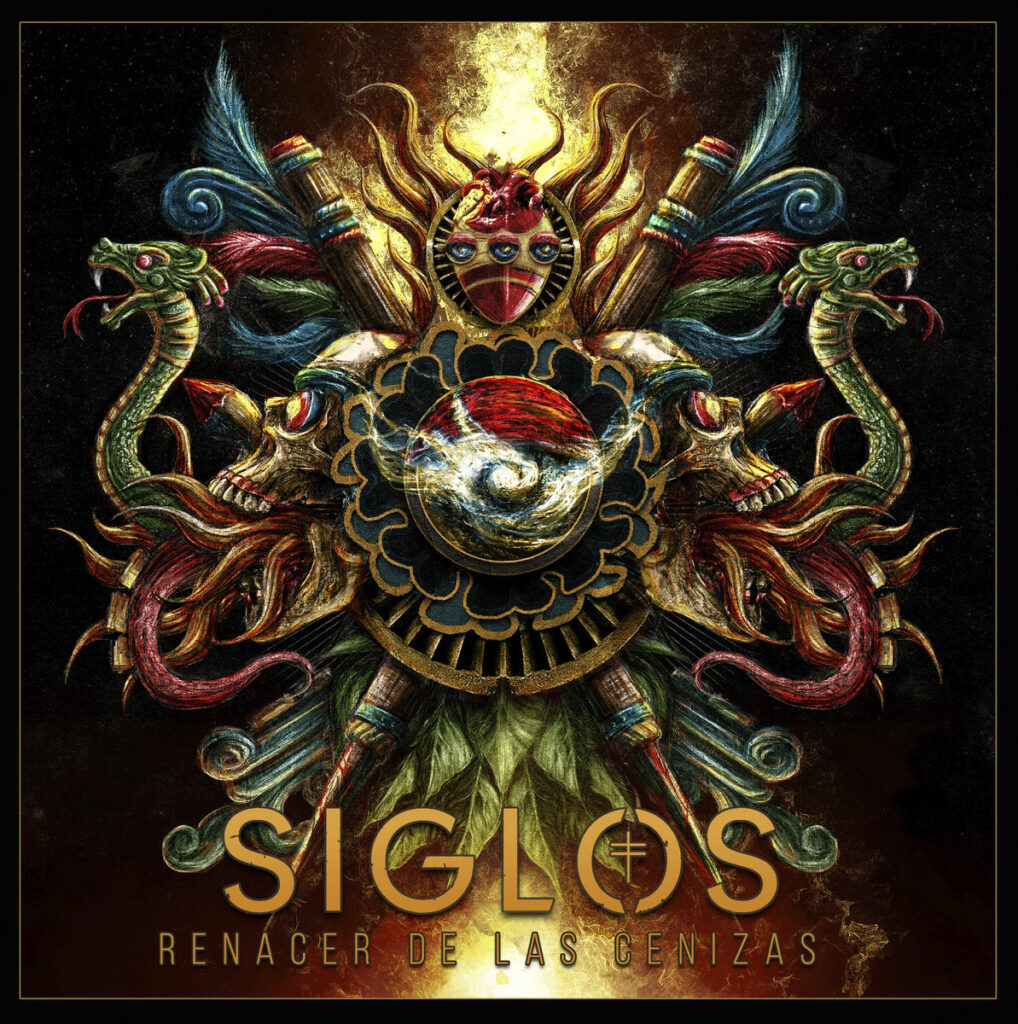
For example, I collaborated with SIGLOS, an American/Mexican industrial metal project founded by Sin Quirin, formerly of MINISTRY. I designed the cover artwork for their single “Morir para vivir” [Die to Live] (2022), followed by their EPs“Rituales Sagrados” [Sacred Rituals] (2023) and “Renacer de las Cenizas” [Reborn from the Ashes] (2024). The single cover features the visage of Tezcatlipoca, the Mexica (Aztec) deity of warfare and darkness, and master of witchcraft—an effort by SIGLOS to connect with their Mexican roots while based in the United States. The artwork for their subsequent EPs was illustrated in black & white and color, respectively, titled The Nocturnal Sacrifice. It centers on the night as a sacred space in Mexica cosmology, linked to Mictlan, the realm of the dead. In this cosmology, night is not merely darkness but a threshold for ritual, divine speech, and renewal.
This artwork shows sacrifice through skulls with flint (tecpatl) nasal elements, alluding to ritual knives. In Mexica culture, flint was practical and sacred, associated with lightning. Opening the body symbolized a bridge between humans and the divine realms. The heart, central to offerings, relates to warfare and the solar cult, symbolizing vital energy, will, and motion. Ritual offerings nourished the gods, maintaining cosmic order and the sun’s movement, both essential to existence. At the back are two maguey spines with feathers, referencing autosacrifice—piercing body parts to offer blood to the gods, symbolizing warriors’ discipline and devotion to the supernatural. Blood, central to rituals, represents life’s continuity and a sacred obligation to the gods since creation. This piece blends extreme metal symbols with Mexico’s cultural and spiritual roots.
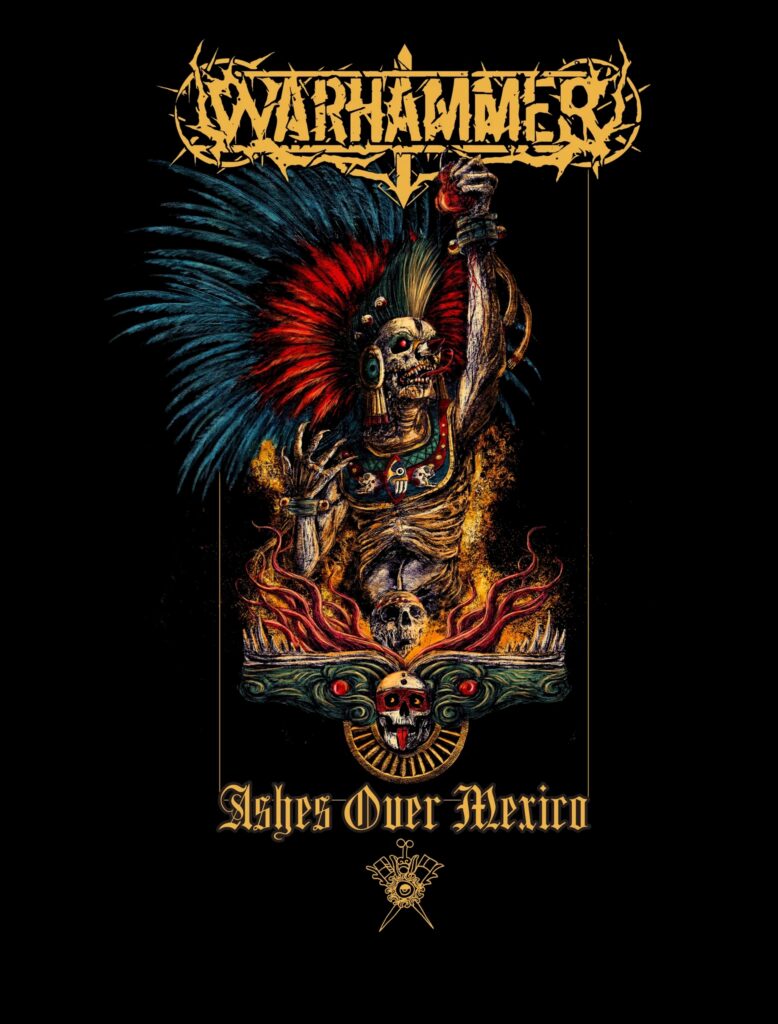
Another significant collaboration was with WARHAMMER, a Greek black/death metal band, for their 2022 Mexican tour, which coincided with Day of the Dead festivities. For this commission, I researched Mexica mythology concerning life and death, eventually producing an illustration of Mictlantecuhtli [Death Deity] emerging from Tlaltecuhtli [Earthly Deity]. This image explores the emergence of death from the underworld and pays tribute to its related cult.
Integrating Mexican elements into art commissions has given me valuable opportunities to engage with my country’s heritage through field research and academic study. The themes of warfare and death prevalent in many cultures, including Mexico, resonate strongly with the aesthetic sensibilities of heavy metal.
What do you think is the role of visual artists in the heavy metal music industry?
Néstor: The work of visual artists has always been a key part of metal music. Take, for example, CANNIBAL CORPSE; they gained their identity from the gruesome album covers created by Vince Locke. I remember when I used to buy physical albums at local stores, I would pick the most terrible cover I could find, and that’s how I discovered new bands. I became a fan of CANNIBAL CORPSE through that logic. The same applies to the visual identity of IRON MAIDEN; you wouldn’t picture the band without Eddie appearing in your mind.
Additionally, metalheads, as a subculture, have a unique visual aesthetic: band logos are often grotesque or flashy, black is dominant in merchandise, and unconventional art is fundamental to metal music. Back in the days of record stores, it was harder to know who created those mysterious album covers because physical copies weren’t affordable for every fan. Today, we (visual artists) are more noticeable thanks to easy access to social media. The internet now functions as a “free gallery.”
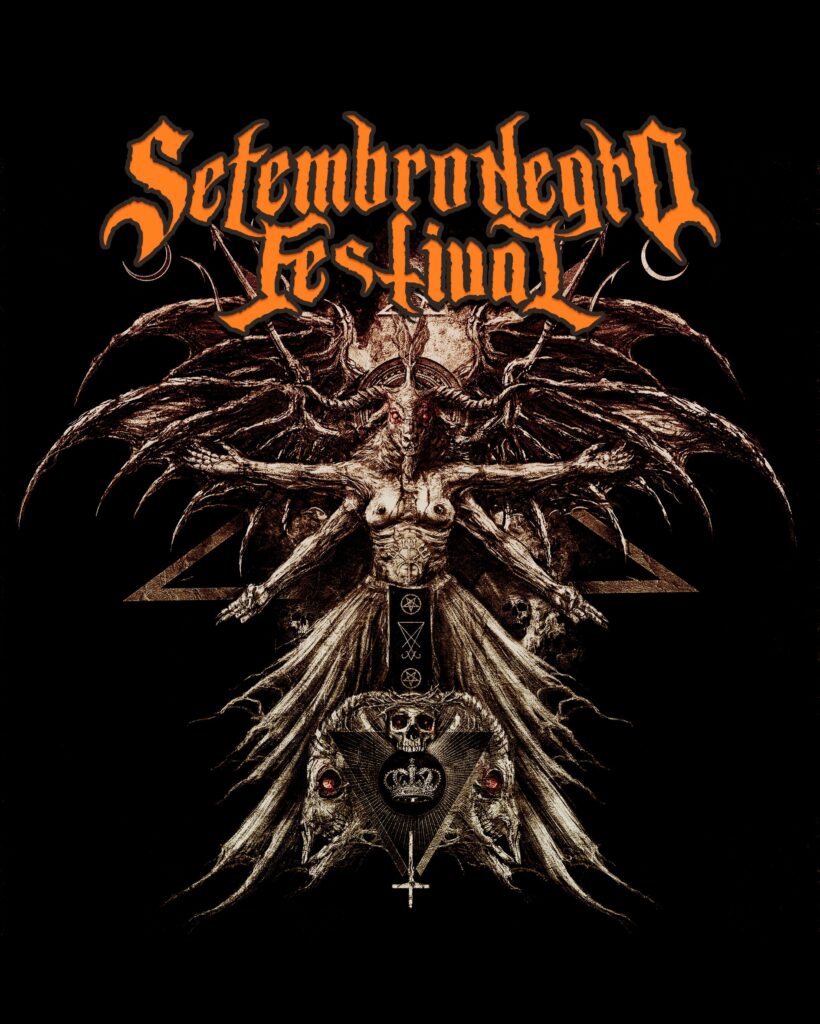
Our artistic work is also essential to building festivals’ visual identity, enabling these events to attract their target audiences. I, for instance, have contributed to the artworks for the official merchandise of different festivals, such as M’ERA LUNA FESTIVAL, ROCK AM RING (Germany), and SETEMBRO NEGRO (Brazil).
You anticipated my next question. How has visual art impacted festivals and live events?
Néstor: The involvement of visual artists as exhibitors in festival programs appears to be relatively new. As far as I know, only BEYOND THE GATES FESTIVAL, INFERNO FESTIVAL, HELLFEST, and now CANDELABRUM METAL FESTIVAL have incorporated art galleries into their festival grounds. Such development is admirable, as these events demonstrate a commitment to making artistic expression—beyond music itself—accessible to attendees. These gallery spaces offer fans the opportunity to engage directly with illustrators about artwork associated with their favorite bands.
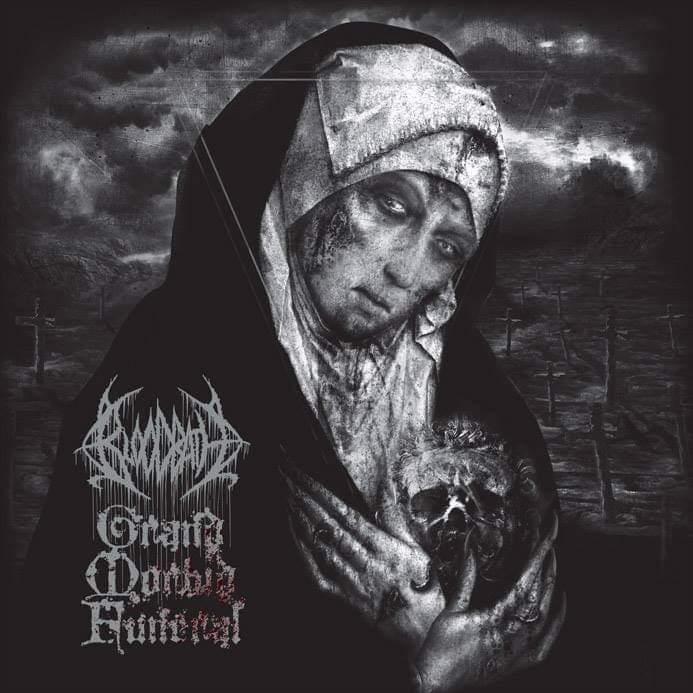
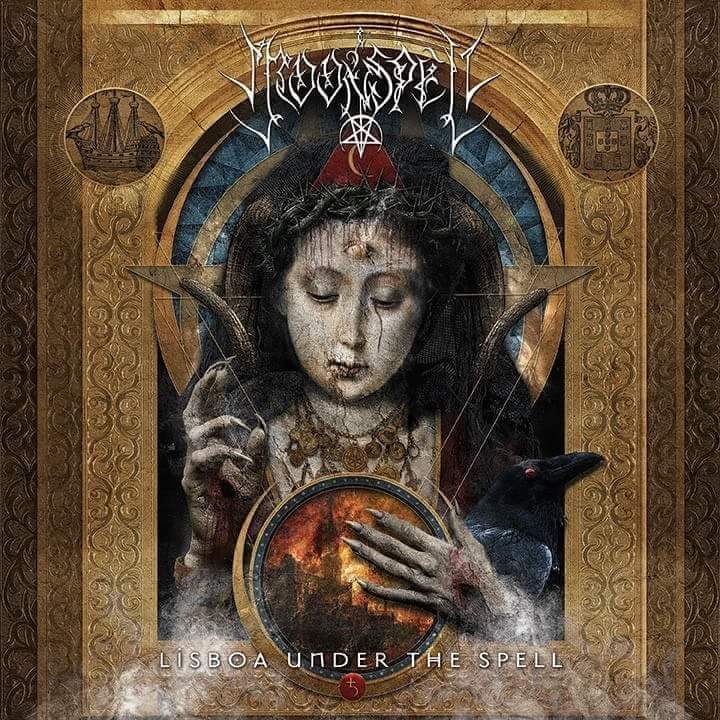
In curating my exhibition at CANDELABRUM METAL FESTIVAL, I presented not only album covers I’ve created for established acts like MOONSPELL’s “Lisboa Under the Spell” (2018) and BLOODBATH’s “Grand Morbid Funeral” (2014) but also included pieces from emerging Mexican bands such as UNIDAD TRAUMA’s “Paradigma Egocéntrico Fatalista” (2025) and PRODITOR BICORNI’s “Vexilla Ignis” (2024). This approach ensured a fair representation of both my recognized works and those I have done for lesser-known groups, offering the latter valuable exposure to broader audiences. I often advise up-and-coming bands to consider commissioning artwork as an investment that complements their music. The significance of thoughtfully designed artwork cannot be overstated; a compelling album cover can attract listeners and catch the attention of record labels.
To conclude, this dynamic at festival settings is mutually beneficial: both graphic artists and bands gain visibility among wider audiences and industry professionals.
Could your work strengthen the link between Global North and South metal music, given your experience with bands from both regions?
Néstor: I think so, yeah. Artists can create beauty that many appreciate, yet few can replicate. As a result, art opens many doors, not only for those who create it but also for achieving greater things. I believe that my international collaborations raise Mexico’s profile among bands from different parts of the world, which in turn leads to future opportunities. Mexico and Latin America, in general, are becoming hotspots for metal music, with many bands choosing this region as a key destination for touring.
Regarding graphic art, I’m simply contributing to the broader movement of Latin American artists collaborating with metal bands. Many others are doing interesting work, such as BRVJAXIII, who recently collaborated with INCANTATION, or NECRO DEVOURER, an illustrator specializing in death metal-inspired artwork. It feels good to be part of making my country more visible on the global heavy metal stage.
What has been one of the most special collaborations you have had with any band?
Néstor: I can’t really say there has been a single favorite collaboration so far. Still, many have been important for the visibility of my career, and others for what contributed to the art piece beyond the album itself. The artwork that marked a turning point was the collaboration with ROTTING CHRIST, but to my surprise, that image ended up in multiple places, both online and in the outside world. I’ve even come across it at witchcraft markets (laughs), so it’s funny to see my work in settings unrelated to metal music.
Regarding the first type of collaboration, perhaps the most significant were with BLOODBATH and MOONSPELL, given the outreach those bands have. Even now, some friends don’t believe I created those works. The collaboration with BLOODBATH was somewhat random because, when I received the band’s first email, I didn’t think it was really them. I had to double-check the sender to make sure it wasn’t a scam. Another special commission was with MANTICORE for “Behold the Ascension of the Execrated” (2012). That was a unique one, as MANTICORE is among my favorite bands.
From your experience, what are the challenges for a Latin American graphic artist in the metal music world, and what attributes can you bring?
Néstor: Budget constraints are the most significant challenge, but they affect artists everywhere, not just those from the Global South. Any artist should cultivate resilience against rejection and financial obstacles, as these barriers persist regardless of age and experience. Persistence, discipline, and smart budgeting are necessary abilities for this career. For example, I hold a day job and dedicate my evenings to creating art. Although this arrangement is demanding, I’m not certain that dedicating all my time to art is financially feasible at present; perhaps that will be possible in the future.
In terms of attributes that I offer as an artist from the Global South, I don’t necessarily create art based on national or regional identity. Undoubtedly, my Mexican heritage has influenced my work; nevertheless, I regard myself simply as someone aiming to create meaningful art, mainly drawing inspiration from dark themes. Success in the arts, I believe, depends on one’s commitment and effort rather than origin.
What do you prefer, physical or digital art?
Néstor: Both digital and physical art have unique advantages and limitations, and I appreciate the qualities of each. Digital art is easy to share online, but struggles with issues like anonymity, making recognition difficult on crowded social media platforms. For this reason, I also value physical art, as it offers greater opportunities for direct engagement and socialization. However, entering galleries or participating in in-person events can be difficult, given the art world’s competitive environment. Nevertheless, I am dedicating more time to painting and intend to begin working with oil paintings soon.
You went completely in the opposite direction of what I was going to ask: have you considered venturing into 3D art or contemporary trends?
Néstor: Well, not really (laughs). I know how interesting 3D art can be, but I don’t feel like taking it up right now.
I want to start oil painting to step away from the constant flow of digital art for a while, given that my professional experience has primarily been digital. When I receive a commission, my work depends on the band’s idea. They usually contact me because they felt inspired by something I previously created for others, and I also need to research their music to meet the expectations of my work. Likewise, digital art offers flexibility to be altered as much as the client desires. Don’t get me wrong, I enjoy receiving commissions, but ultimately those works are based on the perceptions I get from my clients’ music and the agreements we make. In contrast, by exploring a totally different kind of art—oil painting—I can tap into my own creativity at my own pace.
Oil painting uses a range of materials that allow creative freedom. I also enjoy its slow pace, as the process unfolds on the canvas, making the outcome unpredictable. I think trying this technique, which contrasts with the fast step of daily life, could significantly enhance my artistic development.
Speaking of artistic trends, what are your thoughts on the current era of Artificial Intelligence (AI) and its impact on artistic processes?
Néstor: I believe Artificial Intelligence offers a few advantages for creative work; however, one should approach it with skepticism. AI supports idea generation and helps overcome creative blocks, but its outputs depend on internet data, which can be inaccurate and lead to long-term misinformation. Therefore, the artist’s role remains crucial; human creativity brings qualities that technology cannot replicate.
The rise of AI has also affected artistic careers, sometimes reducing opportunities as organizations prioritize cost-cutting. This trend is producing work that lacks originality or depth, making an artist’s absence clear. Especially, emerging artists must overcome very new obstacles to get established in the field. I, too, am adapting to these recent precarious realities. Having said this, my interest in oil painting arises from a desire to create meaningful work that challenges AI’s speed.
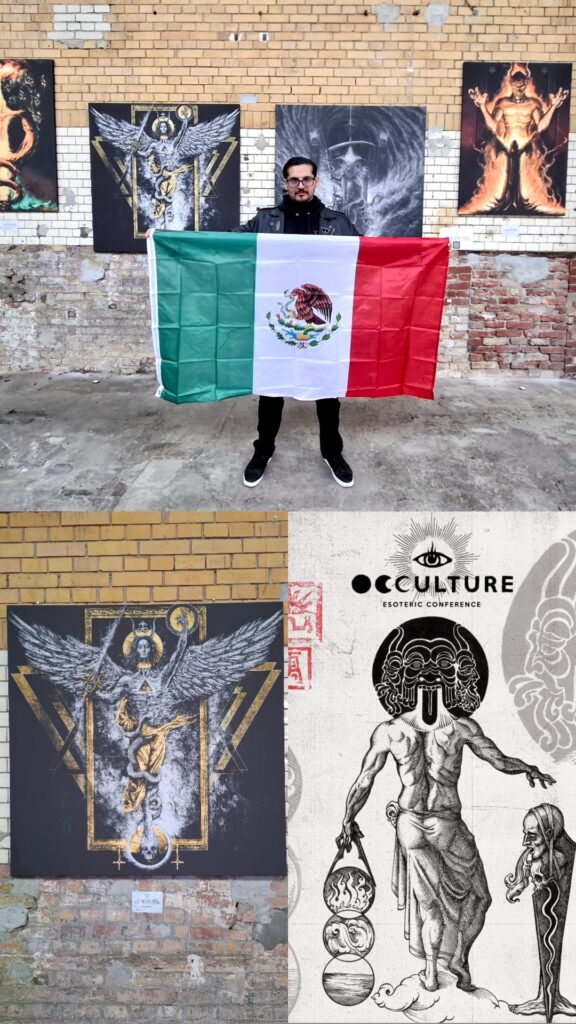
You recently exhibited your artwork at OCCULTURE CONFERENCE, Europe’s largest Esotericism festival. How did this experience differ from your previous projects focused on metal music?
Néstor: OCCULTURE CONFERENCE marked a turning point for me professionally. Although my work is already known in esoteric circles, it lacked the protection typically provided by the heavy metal scene, where it has mainly developed.
At OCCULTURE, attendees come with clear interests in occultism, engage openly with the works, and seek personal connections over the artist’s reputation. Appreciation centers on the symbolic, magical, and esoteric, and my work aligns with these interests. This conference was particularly rewarding because I met face-to-face writers, editors, and publishers in esotericism, many of whom I had previously collaborated with, which enriched my professional network. Presenting without the protection of my heavy metal background, I was judged solely on the symbolism and technical merit of my work. The favorable reception and international exposure demonstrated the versatility of my artwork in diverse cultural contexts. All-in-all, OCCULTURE was a profoundly enriching experience.
Seeing how much my work has evolved is gratifying, as I have exhibited at various art venues over the years. Regarding my participation in OCCULTURE, I must acknowledge my first solo exhibition in Mexico (2024), HOSSANA IN THE SHADOWS (HOSSANA EN LAS PENUMBRAS), which featured large-format pieces. This debut helped me connect with audiences interested in art and metal music. It became a gathering point that fostered greater appreciation for the technical and conceptual aspects of my work. I believe solo exhibitions and conferences expand how people experience and interpret my art, creating opportunities in institutional and contemporary spaces while staying true to the heavy metal ethos that defines my core.
Thank you, Néstor, for your valuable time and cooperation during this interview. Is there something else that you would like to say to our readers?
Néstor: Thank you for acknowledging my contributions to metal music. You can follow me on social media and my official website for news about my most recent collaborations, commissions (if you’d like to work with me), and my very own merchandise. LIVE IN CHAOS – BURN IN FREEDOM.
Interview by Hector Sanchez
All images courtesy of Néstor Ávalos unless indicated otherwise