

Each life phase has a different theme as its leitmotif for us humans. Why would bands be any different? By 2005, the Swedish prog-metal juggernaut, OPETH, had already been active for 15 years and released seven magnificent studio albums, the last three of which had tiptoed the fine line between vintage prog and death metal under the supervision of Steven Wilson. Their eighth studio album, “Ghost Reveries,” released on August 29th, 2005, marked the first endeavor without him as producer, as well as the band’s first release for their new label Roadrunner. Then, as if these aspects already weren’t enough to frighten some of the band’s longtime fans into thinking that their favorite Swedes had finally sold their souls – not to the Devil himself, but to the lesser demons of commercialism! – there was more: from this album onward, OPETH would be featuring a full-time keyboardist as well. That certainly violated one of the longest-standing rules of death metal: no keyboards whatsoever! Back in the day, the use of keyboards in metal songs, in general, was arguably one of the leading causes of infighting between metal cliques (just remember, how some of the fans got butthurt because of the guitar synths on the 1988 IRON MAIDEN album “Seventh Son of a Seventh Son”) – and now these metal sages were all in for that sort of heresy! Per Wiberg had toured with the band for a few years already, but his keyboard playing did not exactly rub some fans the right way. Critics gave the album mostly rave reviews at the time, but the old-school factions of the band’s fanbase were not so easily impressed. I had just found out about the band, through “Blackwater Park” (2001), barely before this monolith came out, so I wasn’t burdened with too many expectations. Besides, I had more history with vintage prog than thrash-vests, so I welcomed the band’s flawless blend of prog and death metal with open arms. That 2001 album classic had blown my mind to smithereens, and this beast even went and outdid it. It’s no wonder the years have treated this album rather well; it is now widely praised as a high point in the band’s discography.
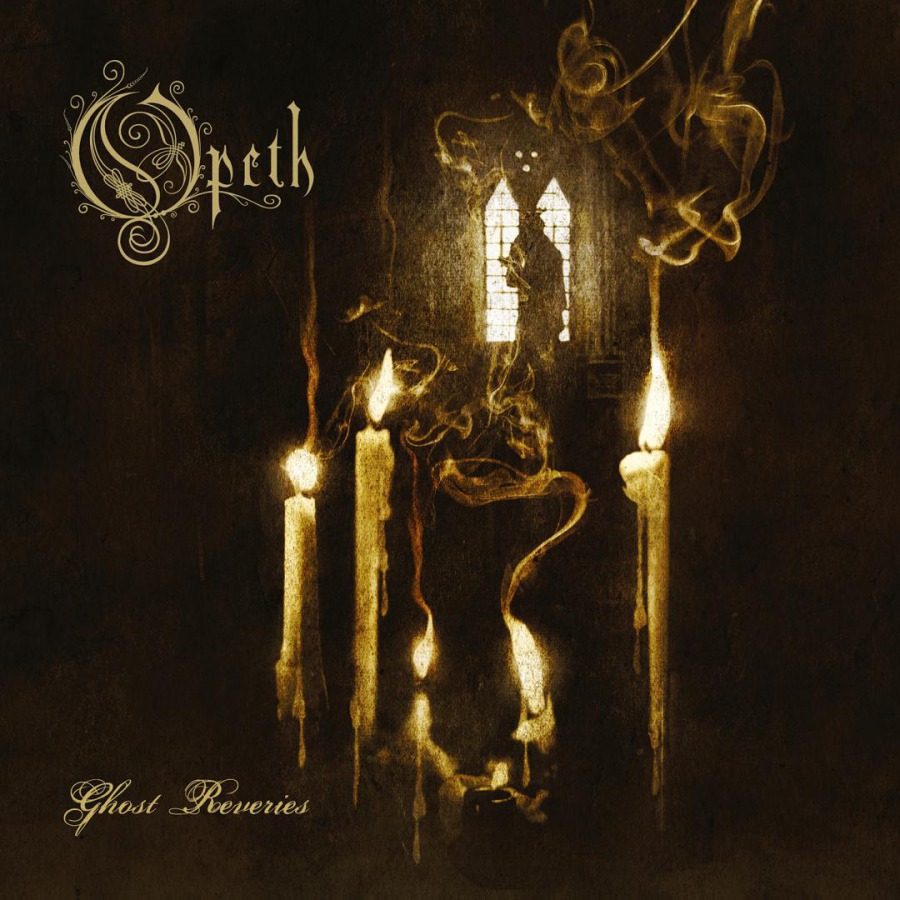
Originally, the album was intended to be a conceptual affair, narrating the journey of a bereaved, once-Christian protagonist, descending deeper and deeper into Satanism. The last song, “Isolation Years,” didn’t fit the storyline, though, so the idea was eventually scrapped. Some editions of the album also included the haunting DEEP PURPLE cover, “Soldier of Fortune,” which would not have sat quite well with the narrative either. What remains of the original concept is the album’s overarching Gothic aura – and the smack-in-the-face opener, “Ghost of Perdition,” which has since not only become one of their most beloved epics and live staples, but also an endless reservoir of fuel for the meme lords because of the song’s iconic intro. While the song feels almost like a carry-over from “Deliverance” (2002), it bridges that brutal side and the softness of “Damnation” (2003) in nothing short of a haunting manner. Mikael Åkerfeldt‘s vocal performance in this song is easily among his absolute best, and the guitar work is simply awe-inspiring across the board – the riffs, melodies, and solos. “Ghost of Perdition” has become a quintessential OPETH song for a bloody good reason over the years. When played live, it makes the crowd go bonkers every time.
Next on the menu, “The Baying of the Hounds” is by far no less fantastic a beast of a track, mixing diabolical menace with tenderness like never before. In this day and age, it still would be no small feat for any band to open their album with two 11-minute epics! The progressive mid-section immediately hit a home run for me since I came from the world of prog nerds rather than death-metal goblins. And speaking of epics, the album packs two more! “Reverie/Harlequin Forest” takes that harsh/soft-dynamic to even further extremes, and “The Grand Conjuration” quickly turned into a fan favorite and live staple.
The shorter songs, scattered between the epics, showcase the band’s love of vintage prog. “Beneath the Mire” has one of the band’s most haunting solos, played in unison by the guitar and Rhodes in the song’s mellow mid-section. “Atonement,” “Hours of Wealth,” and “Isolation Years” are all straight-up time-warps right in the middle of the fairy-dusted 1970s. Had I been aware of the band’s side-step into the vintage prog realm with their 2003 album “Damnation,” I might have taken these songs as remnants from there, at the time. I hadn’t, so I was pretty mind-blown that a death-metal band could pull something like this off. Then again, in retrospect, these songs also heralded what was about to come after the band would wrap up their death-metal years with “Watershed.”
The emotional architecture of the album is amazing, and the gargantuan epics are among the band’s best calling cards in this respect – transitioning from crushing death-metal riffages to mellow and progressive plateaus and back like nothing to it. The dynamic transitions from serene calmness to vehement fury had already become something like the band’s hallmark, but on this album, they reached into even further extremes at both ends of the spectrum. While the follow-up album, “Watershed” (2008), would prove the band’s crowning achievement in marrying the brutal with the tender, there is still something special about this album for me. It may have something to do with the fact that I had just been converted into the parish of the band’s diehard fanboys shortly before its release. I was still exploring the band’s discography and – wham! They released something like this. Plus, I had the privilege of witnessing the band play this album from start to finish on its 10th anniversary tour, in Helsinki, so there’s no way I could listen to it now without reliving those haunting moments. Now, 20 years later, some of those fan reactions, claims that the band had sold out and whatnot, seem not to have aged particularly well, but the album has. “Ghost Reveries” has proven to be a true benchmark album, not only for the band but also for the progressive genre as a whole. OPETH‘s early signature sound, the haunting blend of brutal death metal and folk-tinted vintage prog, peaked on these two consecutive albums. What came next had a different leitmotif altogether, but that’s another story entirely.
Written by Jani Lehtinen
Tracklist
- Ghost of Perdition
- The Baying of the Hounds
- Beneath the Mire
- Atonement
- Reverie / Harlequin Forest
- Hours of Wealth
- The Grand Conjuration
- Isolation Years
- Soldier of Fortune
Lineup
Mikael Åkerfeldt – vocals, guitars
Peter Lindgren – guitars
Martin Méndez – bass
Per Wiberg – keyboards
Martin Lopez – drums
Label
Roadrunner