

VAN HALEN remains one of the most iconic hard-rock bands to ever emerge from the glory days of pastel colors and hairspray, and if you’re old as shit like me, you probably remember the band for something more than just their kick-ass albums from 40-something years ago. The original lineup – brothers Eddie and Alex Van Halen, bassist Michael Anthony, and natural-born showman-vocalist David Lee Roth – burst into the scene already in the late 1970s, but it was the number-themed three-album run in the 1980s that finally cemented the band in the pantheon of hard-rock legends. The first of the series, “1984,” was the last to feature Roth, and his departure in 1985 was marked with lots of drama. The resulting feud has arguably been one of the most enduring, if not legendary, in music history – maybe even bigger than the case of David Gilmour versus Roger Waters. Losing a frontman of such caliber could have marked the end for the band, but things didn’t unfold that way. Instead, this acrimonious drama merely marked the end of an era for VAN HALEN – and the beginning of another soap opera, one that would prove even more savage than the clashing of egos that had been going on in the backstage areas for years. A year after this breakup, VAN HALEN released their first studio album without Roth, with a former MONTROSE vocalist, Sammy Hagar, replacing him. The album, “5150,” was released on March 24th, 1986, via Warner Bros, and its cryptic title referred to the California Welfare and Institutions Code Section 5150, which allowed a police officer to involuntarily detain a person for a 72-hour psychiatric hold. Yeah, it was most certainly a stab addressed to their former frontman, don’t you think? (Sure, it was also the name of Eddie‘s now-legendary home studio, but you do the math…) In an act of retaliation, Roth would release his first full-length solo album a few months later, entitled “Eat ‘Em and Smile,” which, in turn, prompted the VAN HALEN camp to respond by naming the last number-themed affair as “OU812,” a few years later. Mature? Not likely. Highly entertaining? You bet.
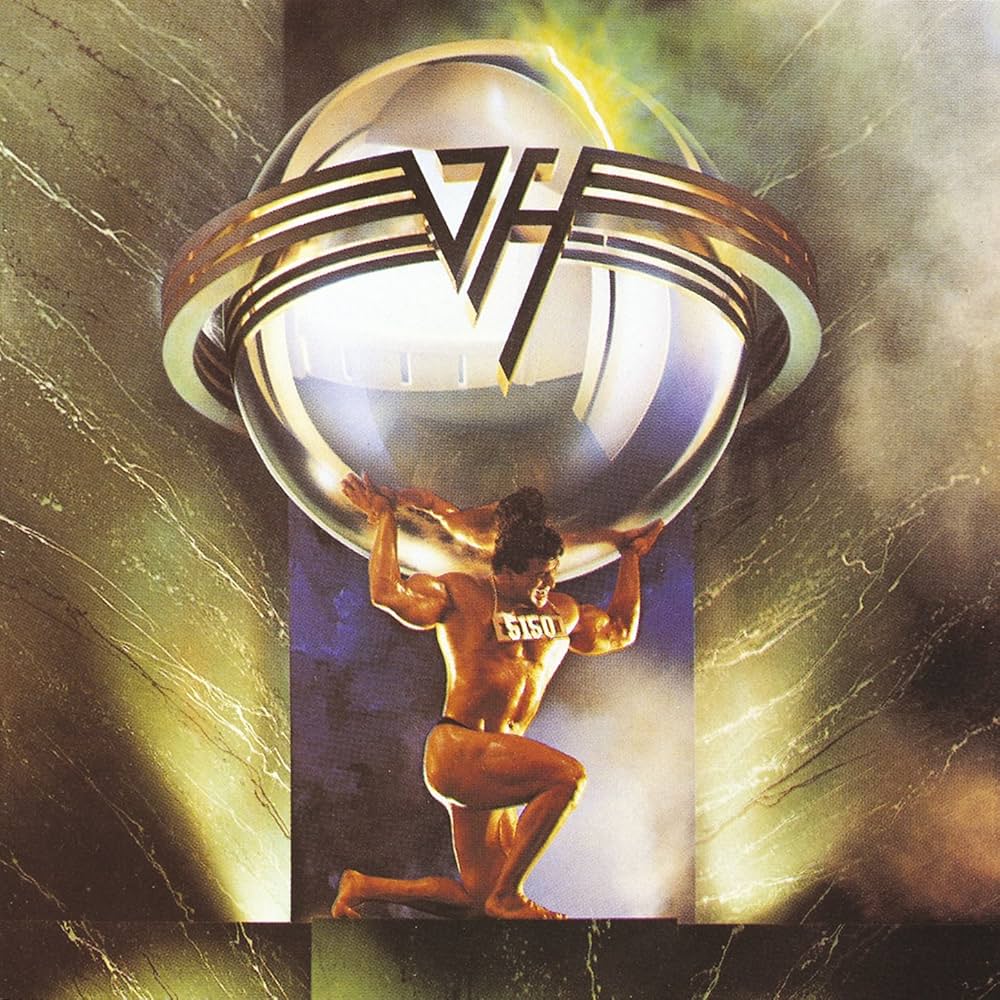
Rumors had it that one of the things that had caused friction between Eddie Van Halen and Roth was the increasing use of synthesizers. Well, the truth is that their biggest blockbuster, “Jump,” would not sound anywhere near as magical as it still does without those delicious Oberheim OB-Xa stabs, but I guess Diamond Dave was entitled to his wrong opinion at the time – he resorted to using quite a lot of synths on his 1988 solo album “Skyscraper,” so… While the previous VAN HALEN offering had put synths to good use, “5150” brought them even more prominently to the forefront. The lead single, “Why Can’t This Be Love,” for instance, is layered with a shit-ton of synthesizer ear candy (depending on who you ask, the sound was either from Kurzweil K250 or an Oberheim OB-8 factory preset). You only need to hear the first few seconds of the intro, and you’ll instantly recognize the song. Try playing that riff with the guitar, and it just won’t have that same impact! It probably helped that Hagar was quite a proficient guitarist, which freed up Eddie Van Halen to further branch out on the keyboards, not only in the studio but on stage, as well. Two other singles off this album boasted rather prominent synths – “Love Walks In” and “Dreams” – and they also became huge hits.
Another factor that led to this new synth-heavy sound was probably the absence of the band’s longtime producer Ted Templeton. He’d produced all of VAN HALEN‘s previous six albums, but in retrospect, it seems that the band was rather adamantly trying to make a point with this largely self-produced endeavor: it marked a rebirth of sorts. Of course, some longtime fans did not receive this smoother new direction particularly well, and the band earned the nickname “Van Hagar.” Sure, while the songs feature an ample amount of Eddie Van Halen‘s signature guitarism, especially in the opener, “Good Enough,” and in “The Best of Both Worlds,” the album did not have such a mind-twisting banger as “Hot For Teacher.” On the other hand, the selection is solid enough to host no skippable tracks either.
Despite this new direction, let alone the controversy of replacing such a talismanic frontman as Roth, which even prompted Warner Bros to suggest coming up with a new name for the band, their bounce-back album turned out to be the first VAN HALEN endeavor to top the Billboard 200 in April 1986 – plus, it was certified double platinum only a month later. In retrospect, it seems that the band pulled a similar stunt to AC/DC by becoming even more successful once their lead singer got replaced. I would say the album has stood the test of time pretty well.
Written by Jani Lehtinen
Tracklist
- Good Enough
- Why Can’t This Be Love
- Get Up
- Dreams
- Summer Nights
- Best of Both Worlds
- Love Walks In
- 5150
- Inside
Lineup
Sammy Hagar – vocals
Eddie Van Halen – guitars, synths
Alex Van Halen – drums
Michael Anthony – bass
Label
Warner Bros