

The first half of the 1970s was a magical era for progressive rock. Each of the big five – that is, YES, ELP, GENESIS, KING CRIMSON, and PINK FLOYD – released landmark albums, one after another, as if there were no tomorrow. Then, there was a handful of bands that released consistently great albums, too, but remained largely overshadowed by the over-the-top spectacles performed by these aforementioned prog dinosaurs. The British four-piece, CAMEL, were one of the most unsung heroes of prog back in the day. Their 1975 concept album “Music Inspired by the Snow Goose” received unexpected success, off the back of which their fourth studio album “Moonmadness” could have reached for the moon and back – but its initial sales were rather disappointing. Over time, the album has become CAMEL‘s best-selling release, and it is widely regarded as their magnum opus now. Stylistically, it marked a departure from the convoluted prog of “Snow Goose” toward a tad more straightforward sound, and it also marked the last album to feature the band’s original lineup – Andrew Latimer, Peter Bardens, Doug Ferguson, and Andy Ward. The band showed admirable resistance to the notion of repeating themselves, even though their record label, Decca, kept pushing the band to replicate the success of their previous album. The band decided to gamble a bit and try something different, and, on March 26th, 1976, CAMEL released something far better – a future classic. As luck would have it, during the golden era of progressive rock, labels sometimes gave bands quite liberal amounts of artistic freedom to pursue their most ludicrous ideas, and in this case, it certainly paid off with interest.
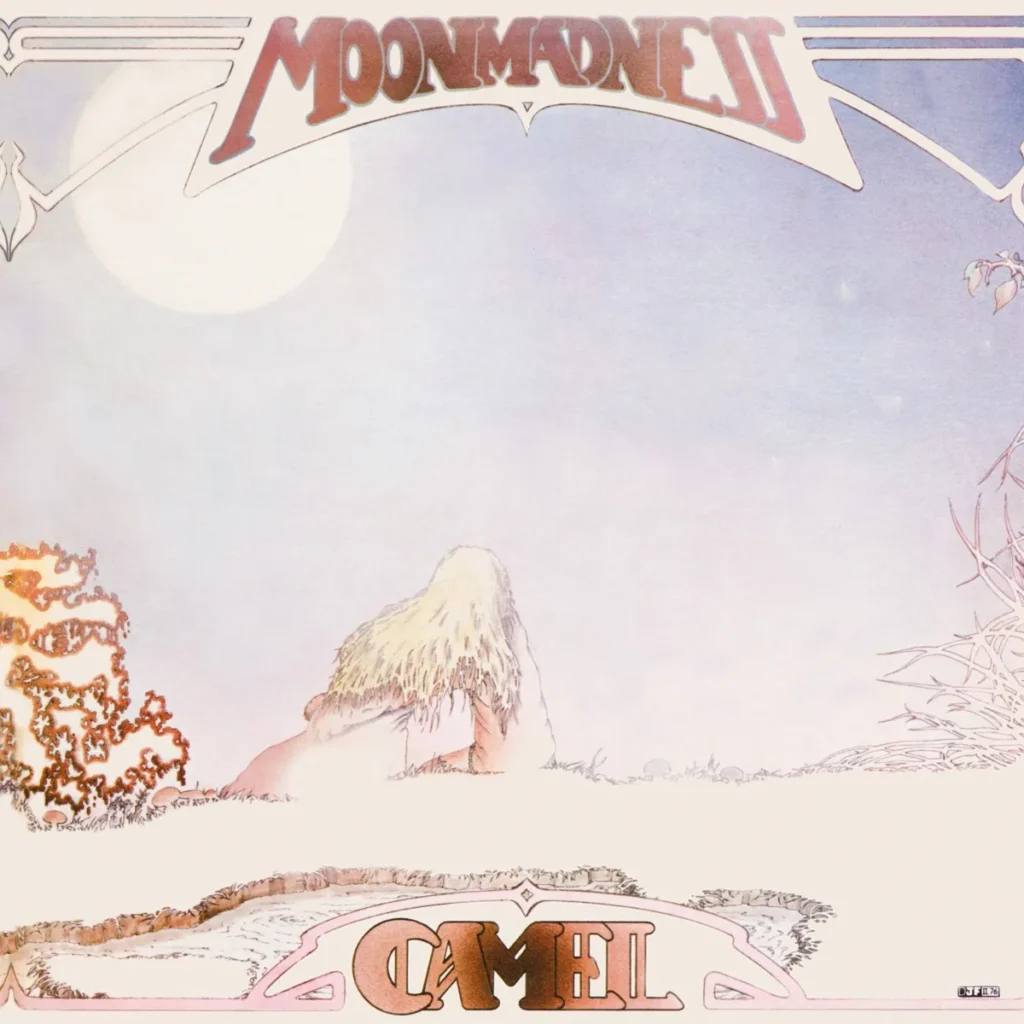
With the year being 1976 and CAMEL being a prog outfit with subtle Canterbury leanings, this album was yet another conceptual affair, of course. This time, the concept was rather loose, though – less in-your-face than on their previous album. The band’s songwriting partners, guitarist Andrew Latimer and keyboard wizard Peter Bardens, wrote one song for each member of the band, focusing on their musical identity, individual personality, and strength within the group. Okay, there were only four musicians in the band, and the album boasts seven songs? The remaining three songs may not fit into the album’s vague concept, but they all do fit pretty seamlessly into the album’s flow, almost resonating with a sense of a band hitting their artistic stride with great self-confidence. One of these “outlier” songs, “Song Within A Song,” has, in fact, become the band’s most popular banger and live staple over the years. Well, why the hell not, since the song is the epitome of everything that made CAMEL so excellent: great melodies, quirky time signatures (alternating between 4/4 and 7/8), touches of melancholy, and Latimer’s signature, lyrical guitar style, the most vocal proponent of which has probably been Mikael Åkerfeldt of OPETH.
The opener, “Aristillus” (titled after a crater on the Moon), is another track that does not fit the concept. Then again, it is basically a short instrumental introduction driven by some highly eccentric Wurlitzer chops. The gentle atmosphere of “Spirit of the Water” was not inspired by any of the band members either, but it works rather nicely as a plateau of tranquility in the middle of the album. So, considering this conceptual approach and the mood of the non-conceptual tracks, why was the album entitled “Moonmadness,” then? Did the songwriting duo regard their bandmates as raving lunatics?
The album title stems from the band’s weird experiences during the writing sessions somewhere in the rural regions of Surrey, UK. Those occurrences were of such nature that they would perhaps be best described as supernatural interferences during the full moons – hence, “Moonmadness.” Latimer has reflected on these experiences in an interview by saying, “There were some very strange things going on at that place.” (Then again, if you listen very closely, you can hear someone drawing a long token from a joint in “Air Born.” I never thought of CAMEL as a hippie band, but I have come across a few of their fans in Finland that professed strong affinity to that kind of hippie demeanor, and when you’re zonked out on planet Spliff, strange things might indeed happen around you…)
With all this in mind, I’m not sure what kind of results the MBTI test might tell us about each band member, based on these four dedicated songs. First, “Lunar Sea” is a 9-minute epic exuding almost euphoric vibes with its space-jazz prog bonanza. The song was written for Ward, whose mental health issues would later cost him the drummer position in the band in the early 1980s. So, who knows, maybe the clever wordplay in the song’s title was an omen? Then, arguably the most complex song in the band’s entire discography, “Chord Change,” was awarded to keyboardist Bardens. Well, maybe the dude was as michievous as the song? The band’s bassist, Ferguson, in turn, got the punchiest piece entitled “Another Night.” Lastly, Latimer dedicated the hazy and pastoral piece, “Air Born,” to himself. The song features some of his trademark flute playing, too, which is remarkably similar in its haunting lyricism to his guitar style. His flute chops sound distinctively different from his prog peers, such as Ian Anderson of JETHRO TULL or Thijs Van Leer of FOCUS.
Another novel aspect in the band’s sound on this album stemmed from the vocal department. “Moonmadness” features a lot of vocals, compared to their earlier works. However, since the band members believed that none of them was particularly good at singing, the vocals were predominantly disguised in many ways, using the rotating Leslie speaker, or a phaser effect, for example. Just like RADIOHEAD transformed their perceived weakness – Thom Yorke‘s whiny vocals – into one of their signature strengths, this excessive treatment of vocals on this CAMEL album certainly gives the songs a specific vibe. On the other hand, with the band featuring no lead singer whatsoever, they were probably doomed for oblivion in a commercial sense from the get-go. Thus, the chances are that you may have never heard about this brilliant prog outfit. So, if you are new to CAMEL‘s music, “Moonmadness” could very well be the best gateway album to their craft – it showcases the band’s essence in its purest form. Cherry Red Records reissued this gem just last year, and it came with lots of bonus treats, too!
Written by Jani Lehtinen
Tracklist
- Aristillus
- Song Within A Song
- Chord Change
- Spirit of the Water
- Another Night
- Air Born
- Lunar Sea
Lineup
Andrew Latimer – guitars, vocals (on tracks 2, 5, and 6), flute, recorders
Doug Ferguson – bass, vocals on track 2
Peter Bardens – organ, Mini Moog, electric piano, vocals on track 4
Andy Ward – drums, percussion, voice on track 1
Label
Decca / Gama Records
Links
https://www.facebook.com/people/Camel-Band/100044216270328